
Fellowship Interview with Merham Mohamed Hosny Anwar Keleg
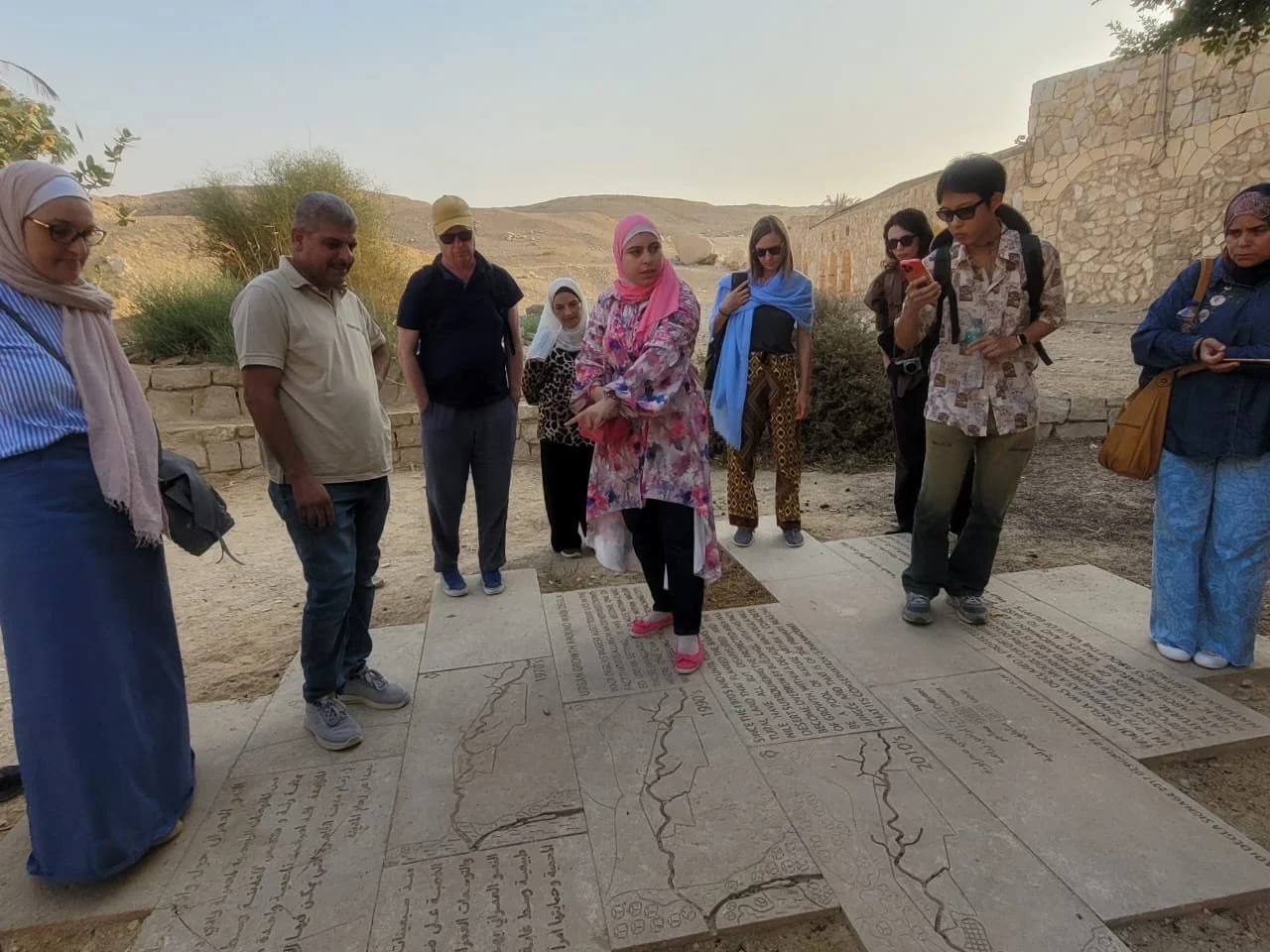
The following interview is the third in the series of seven blogs with the Accountable Adaptation Fellows about their research and fellowship experience. The interviews were all conducted by Susmita Puri (Accountable Adaptation).
Merham is an Assistant Professor at the Urban Design and Planning Department at Ain Shams University in Cairo, Egypt. She is also the Academic Coordinator for the master’s program of Integrated Urbanism and Sustainable Design (IUSD).
Q: Tell us about yourself:
A: My name is Merham. I am an Assistant Professor at the Urban Design and Planning Department at Ain Shams University in Cairo, Egypt. I am also the Academic Coordinator for the master’s program of Integrated Urbanism and Sustainable Design (IUSD). While this reflects my academic and educational role, research remains a core passion of mine, and I am always working to advance it further. I am a trustee and board member of the Landscape Research Group and the Research Coordinator, coordinating the annual research funds of the LRG. I pursued this position for my passion about propagating Landscape Research in Egypt, the Arab Region, and Africa. I am also an associate editor for the Landscape Research journal, and a holder of the Accountable Adaptation Fellowship between UCL and ARIN.
Q: Tell us about your research under the AA Fellowship. What was its aim and focus?
A: As part of the AA Fellowship, my research aimed to understand the factors impacting knowledge co-production between civil society organisations and community members in Cairo, Egypt. I believe that community and public awareness of climate change and adaptation are essential to advancing climate action more broadly, yet this is quite lacking in a big city like Cairo. So, I was looking into how civil society organiaations are taking on an active role in raising public awareness around climate change and adaptation, focusing on the direct, local relationships between these organisations and the communities they work with.
Q: What are your key learnings about accountability in adaptation?
A: Firstly, I learnt that accountability is quite challenging to define, especially when conducting interviews. I wasn't sure how to ask about it directly or whether it would be too blunt or confrontational. I had to think carefully about how to rephrase questions to open up non-confrontational conversation.
I also discovered that there is a lot of self-accountability amongst civil society organisations, more so than accountability to other stakeholders. I kept hearing the same thing: that they are accountable to the principles and values they hold, and accountable for knowledge sharing and capacity building with community members. Whenever I brought up accountability, they focussed on this internal commitment rather than accountability to funders, policies, or regulatory requirements. This was quite striking.
I also learnt that these organisations never use the word "accountable" when discussing relationships with other NGOs or communities. They use the term "social responsibility" instead, describing how they give back to organisations that lack the same level of climate awareness or capacity to apply for funding. They frame this as part of their identity and values, not as being accountable for it.
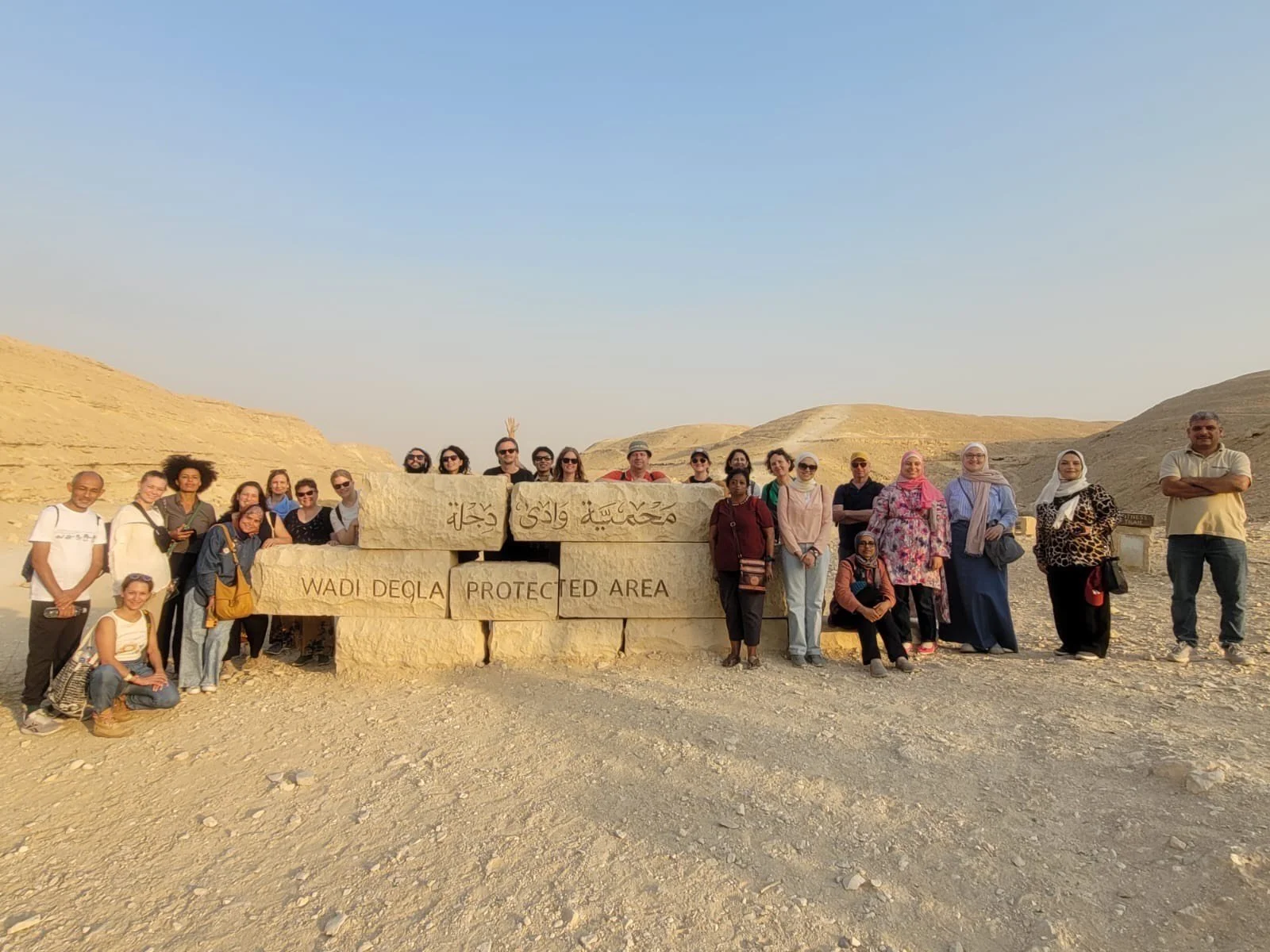
Site visit!
Q. Based on your experience, what message would you like to share with adaptation funders and policymakers?
I think it is vital that funders and policymakers understand the context in which they are working. One understanding of climate action will never fit all contexts. In the interviews I conducted, for example, people kept pointing out that we cannot work on climate adaptation without first meeting the basic needs of communities. For them, climate adaptation projects have development aims, with the climate component added on. Unique understandings of diverse contexts and vulnerable communities could better inform how we define climate adaptation projects. One way of doing this would be to listen more to local people, civil society, and on-the-ground entities and to provide more time and resources for knowledge co-production. This message is for both funders and policymakers because funding is tightly linked to policymakers, and policymakers need to understand what’s happening on the ground.
Q: How has your experience been working with other AA fellows?
A: For me, it was a very rich experience. I’m genuinely interested in knowledge sharing and deepening my understanding of what’s happening across different parts of Africa. Therefore, working with fellows from across Africa helped expand my knowledge about places I rarely come into contact with. Coming from an urban background, I really enjoyed learning more about rural areas in Africa and how they address climate issues. Being in Nairobi, and having the time and space to get to know other fellows, their work and experiences was vital for building a network between us.