
Fellowship Interview with Franklin Pyokpung Zaure
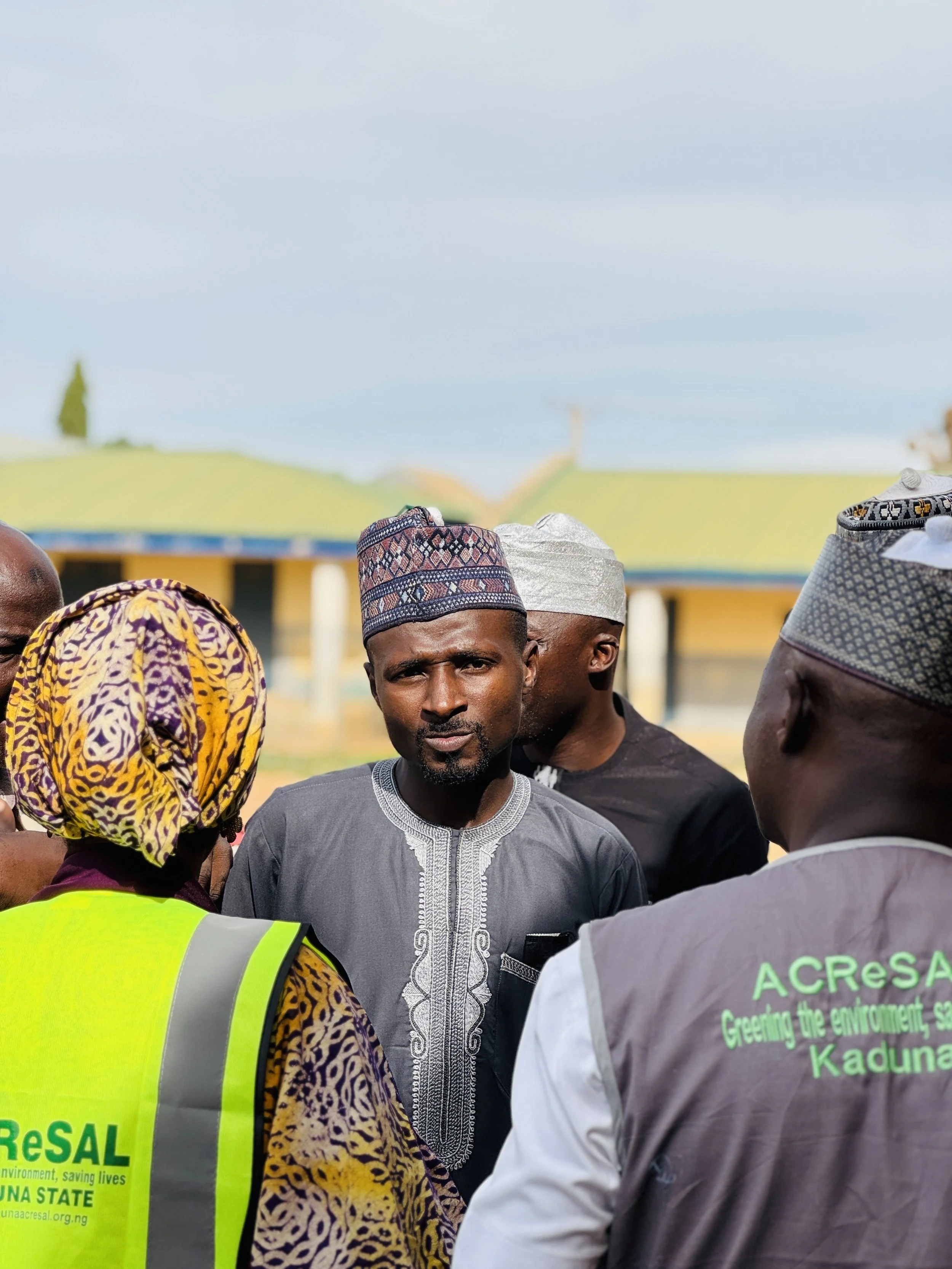
The following interview is the second in the series of seven blogs with the Accountable Adaptation Fellows about their research and fellowship experience. The interviews were all conducted by Susmita Puri (Accountable Adaptation).
Franklin Pyokpung Zaure teaches Performance Arts and Sustainability at the Department of Theatre and Performing Arts, Ahmadu Bello University Zaria, Nigeria and is a climate justice advocate who leverages creativity to drive social and ecological change.
Q: Tell us about yourself
A: My name is Franklin Pyokpung Zaure. I’m a transdisciplinary artist and researcher, as well as a climate justice advocate who leverages creativity to drive social and ecological change. I have been carrying out these interventions through the Creative Arts for Development Centre, a non-profit organization that I founded in 2019. In addition to that, I teach Performance Arts and Sustainability at the Department of Theatre and Performing Arts, Ahmadu Bello University Zaria, Nigeria. I’m deeply passionate about all forms of arts. It is more than just a profession for me. I see art as a powerful tool to inspire change, strengthen communities, and contribute to making society a better place.
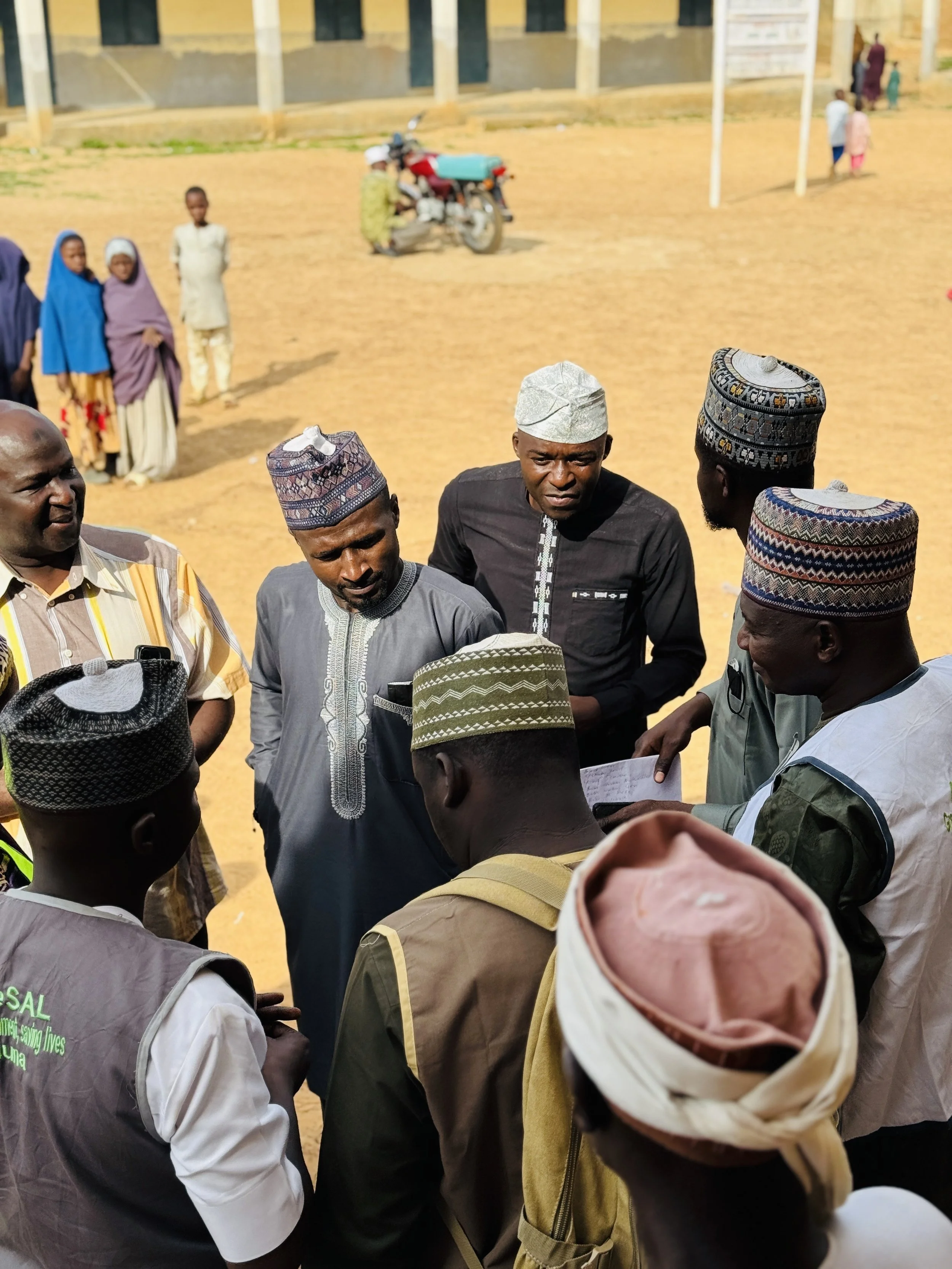
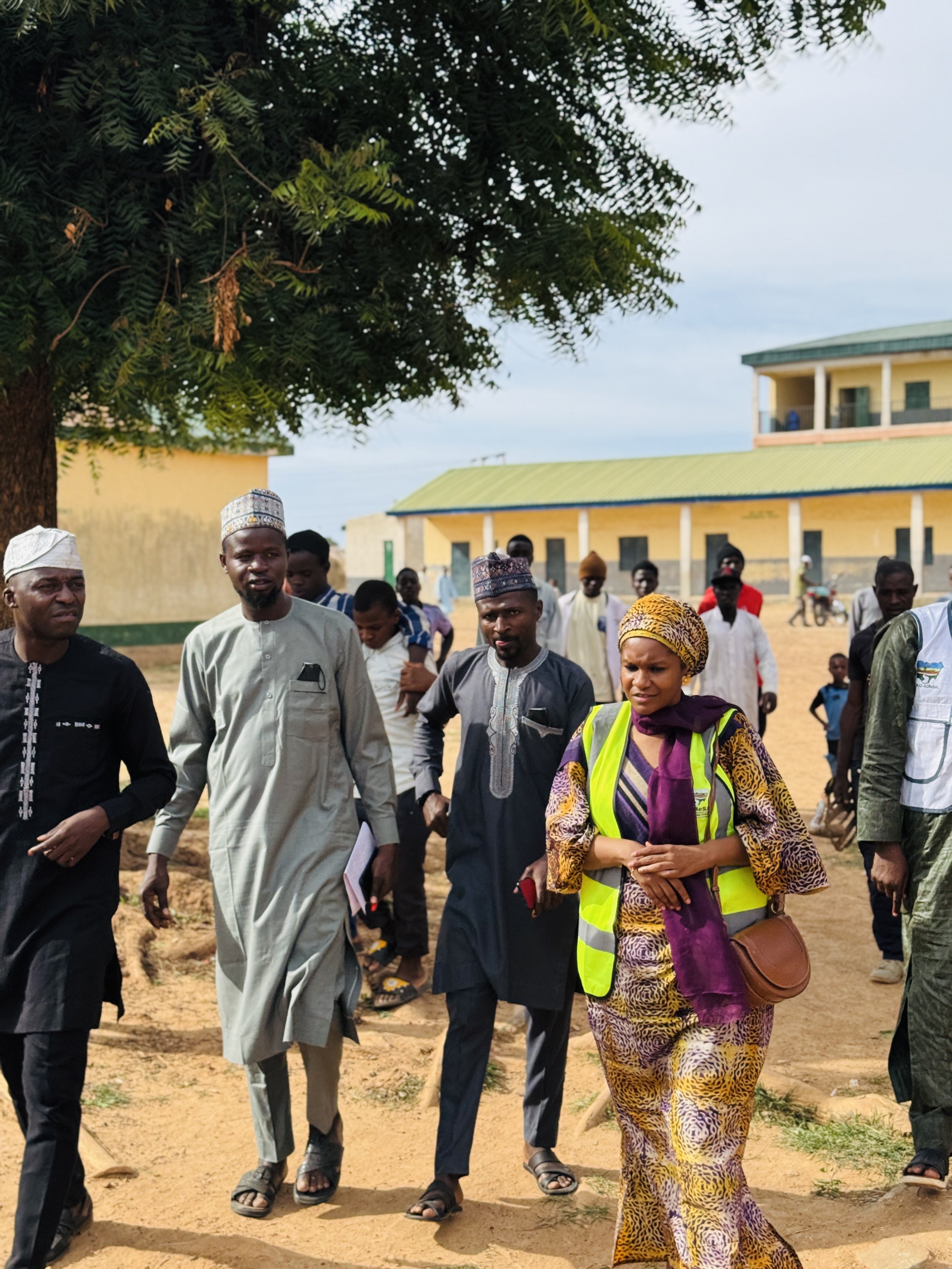
Q: Tell us about your research under the AA Fellowship. What was its aim and focus? A: My research aimed to explore accountability in climate adaptation initiatives through locally led communication channels, specifically using Theatre for Development (TfD). My study examined how creative arts can be used as a tool for promoting accountable adaptation practices in the Bomo and Sakadadi communities of Sabon-Gari Local Government Area, Kaduna State, Nigeria. The overall aim of the research is to enhance climate change adaptation and strengthen accountability mechanisms at the community level in Kaduna State through participatory and creative approaches.
Q: What are your key learnings about accountability in adaptation?
A: What I’ve learned is that the availability of information and means of communicating are crucial for empowering people and ensuring accountability. Secondly, I learned that everyone’s opinion matters, including those of children, youth, and people living in rural or informal settlements. And thirdly, I realized that economic and governance factors are major reasons why ensuring accountability remains a challenge. In many regions of Africa, accountability is still largely absent.
Q. Based on your experience, what message would you like to share with adaptation funders and policymakers?
A: One message I would like to share with adaptation funders is that priority should be given to interventions that empower ordinary people to ensure accountability. Any intervention should place people at the center as they are the main priority. We must focus on empowering them so that they can actively promote and sustain accountability within their communities.
Q: How has your experience been working with other AA fellows?
A: There are many things I have appreciated about working with other AA fellows. Most importantly, I learned about their unique concerns and perspectives on accountability within their local contexts. It was truly fascinating and, I would say, even life-changing, because I learned so much from their approaches and focus areas. It really broadened my own understanding of accountability. I also appreciated their willingness to engage and support one another. The sense of community and solidarity within the network has been remarkable. Knowing that there are always people ready to help, share insights, and stand by each other has been one of the best parts of this experience.
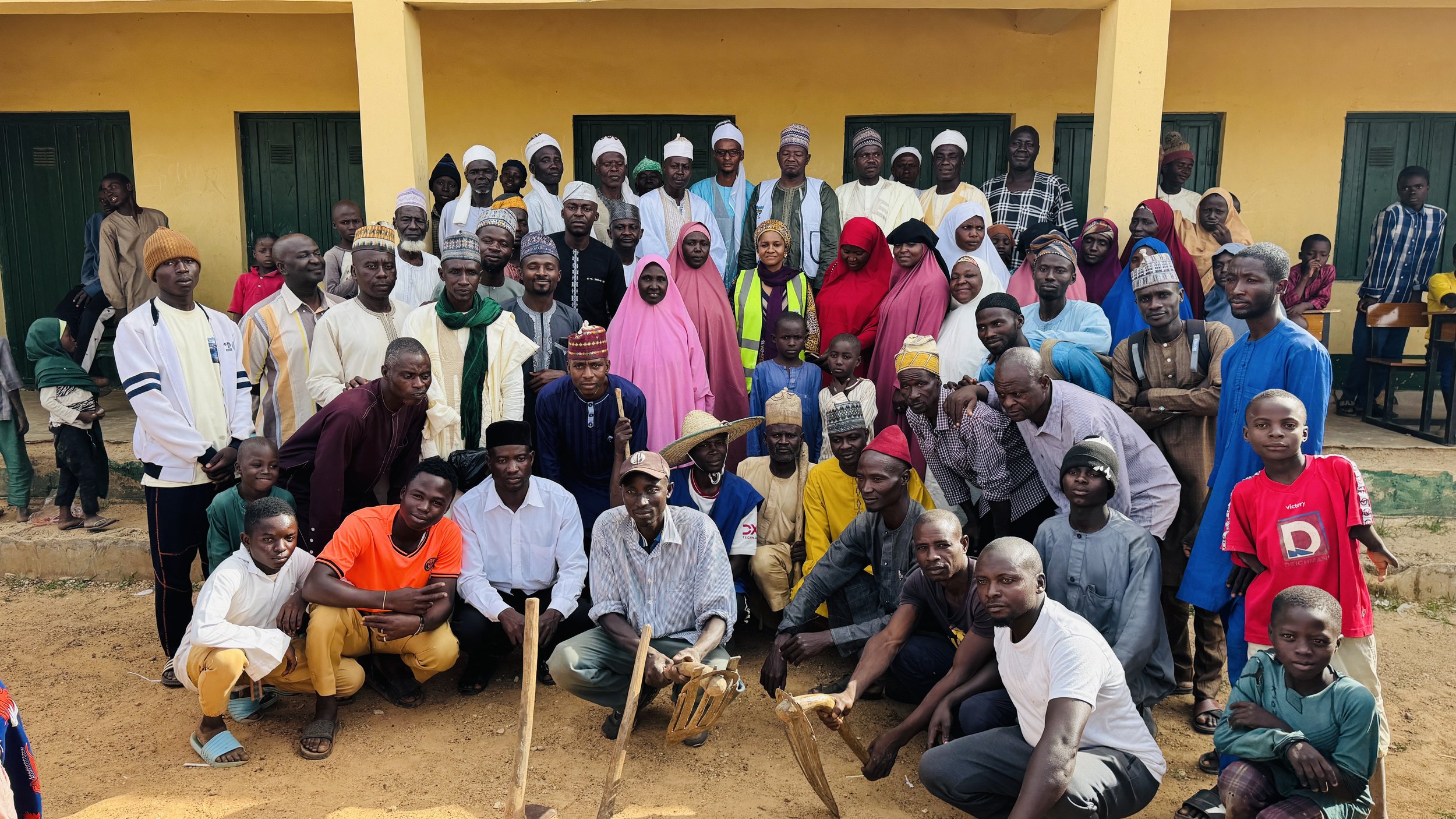
Group photograph with the communities of Sabon-Gari Local Government Area, Kaduna State, Nigeria